
Sustainability is not the new normal…
Sustainability is not the new normal – despite many wishing it so.
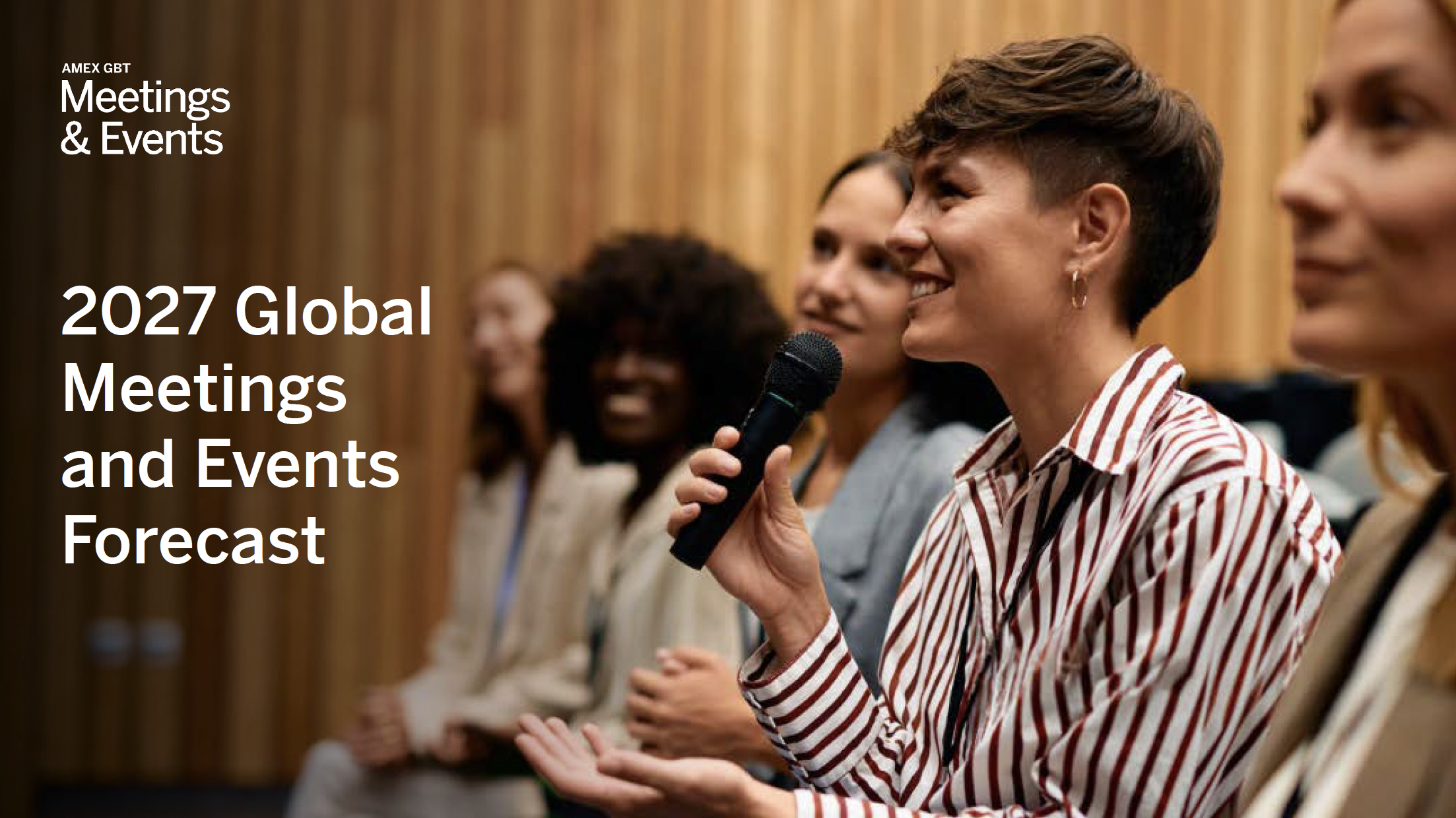
It’s easy to believe that sustainability has become the default for present-day events. After all, every RFP mentions “green initiatives,” and many planners can proudly point to sustainably labelled menus or the removal of overt single-use plastics. Yet, as both event:decision data and the Amex GBT 2026 Global Meetings & Events Forecast shows, sustainability is not quite the new normal — not yet.
The data tells a more nuanced story: one of strong intent, rising expectations, but slow implementation and limited evidence.
The positive shift: sustainability as an expectation
There’s no doubt that the mindset has changed. The Amex GBT 2026 Annual Meetings Forecast notes that “sustainability is no longer optional,” especially as younger generations expect events to reflect environmental and social responsibility as standard practice. Nearly one in four meeting professionals say attendees now demand visible sustainability actions — from reducing plastics to sourcing local and plant-based food and drink. That means that 3 in 4 do not.
For 38% of organisations, sustainability is already embedded in their event policies. That’s a major step forward — it signals that sustainability is moving from one-off gestures towards some systemic integration.
Eloísa Urrutia, Head of Sustainability at Amex GBT Meetings & Events, says: “Sustainability is a business and social imperative, but it is also personal. It’s emotive, drives loyalty, and inspires.”
When done well, sustainability initiatives not only reduce environmental impact but can massively increase social value associated with an event; and actually enhance engagement and brand value.
You can see this in action. There’s a 3pt increase in responsible and sustainable event delivery over the last 12-months’ data from event:decision’s Impact: Responsible Performance Review tool (May ’24 – May ’25). But of all global events, the sample is small.
The reality check:
Despite planner optimism, data shows that sustainability still competes for attention against more traditional pressures. Of course it does. According to the AmexGBT report:
– Only 25% of event professionals currently track emissions. That means 3 in 4 do not.
– Just 28% plan to prioritise improvements to sustainability metrics in 2026. That means 2 in 3 do not.
– And while 38% have sustainability written into policy, 28% still classify it as a “pending initiative,” trailing behind cost reduction and attendee engagement in priority.
This measurement gap is critical. Without reliable data, it’s impossible to quantify progress, justify budget spend, or demonstrate ROI — all of which are essential for making the business case for sustainability.
In ‘The Value of Values”, Daniel Aronson quotes a global CFO as saying “only two department come into my office and ask for money with no numbers – HR and sustainability”.
In other words, we’re all still stuck at the stage of good intentions without consistent proof.
What’s Working?
The AmexGBT report does show some encouraging movement toward practical implementation. Event professionals are making tangible changes, such as:
– 38% have introduced sustainable meetings and event policies.
– 34% are minimising disposables and prioritising sustainable materials.
– 33% are offering local, seasonal, and plant-based catering.
– 31% prioritise sustainable venues.
– 30% implement waste avoidance practices, like food donation programs.
This means that roughly two-thirds of us do not. Therein is an opportunity for venues and agencies looking for commercial advantage.
These are meaningful shifts — they demonstrate that sustainability is not purely a buzzword. Our industry is starting to innovate, adapt and learn. The event sector is highly fragmented but the tools available to do this are not. They will cope with events of any size, scope, format and geography. They are consistent, practical and cost-effective.
Bridging the gap: from goodwill to normal practice
If our industry is to make sustainability truly “the new normal,” three things must happen:
1. Measurement must mature. Social value tracking & carbon reporting, need to become as common as budgeting and attendance reporting. Why would people want this? Because events deliver value, and this value can be tracked.
2. Sustainability must drive creativity, not limit it. As budgets tighten, and let’s face it, they are, sustainability should be inspiring smarter, more meaningful experiences rather than adding constraints.
3. Legacy should become a benchmark. The question shouldn’t be “was the event sustainable?” but “what lasting positive value did my event leave?”. Every organisation can choose whether to purely deliver cash to its shareholders or to do so with purpose.
Legacy is often linked to the ‘People’ part of People, Planet, Profit, or the ‘S’ in ESG. Did you know you can benchmark the ‘S’ in your event with event:decision’s Impact Review tool?
What next?
The Amex GBT 2026 Forecast paints a hopeful picture. Sustainability is becoming more expected – but it hasn’t yet become standard. Far from it. Sustainability is still an aspiration rather than an assumption.
The event sector started strong but momentum is in danger of stalling: sustainability is embedded in policy, sometimes visible in practice and now increasingly recognised as a driver of attendee engagement. But until it’s measured, budgeted for, and benchmarked, it won’t quite be the “new normal.”
The events industry needs to mature – to deliver good strategic advice allied with sound tactics to our stakeholders – advice and tactics based, not on menus and plastic bottles, but on real numbers.